
Why Science Beats Skincare Trends
Like many skincare enthusiasts, I spent years chasing viral serums that promised miracles. Redness, uneven skin tone, and patchy texture were my only “rewards.” I realized that the secret to healthy skin isn’t found in a flashy TikTok trend; it’s found in clinical research.
That’s when I discovered Niacinamide (Vitamin B3). Unlike many “hero” ingredients that come and go, Niacinamide has decades of clinical evidence and dermatologist approval. It is perhaps the most versatile ingredient in modern dermatology, suitable for almost every skin type.
In this definitive 2026 guide, you’ll learn:
- How Niacinamide functions at a cellular level to transform your skin
- 7 evidence-based benefits that target acne, aging, and pigmentation
- How to master the art of layering with other “actives”
- A foolproof buyer’s guide to choosing the right concentration
What Is Niacinamide? The Cellular Mechanism
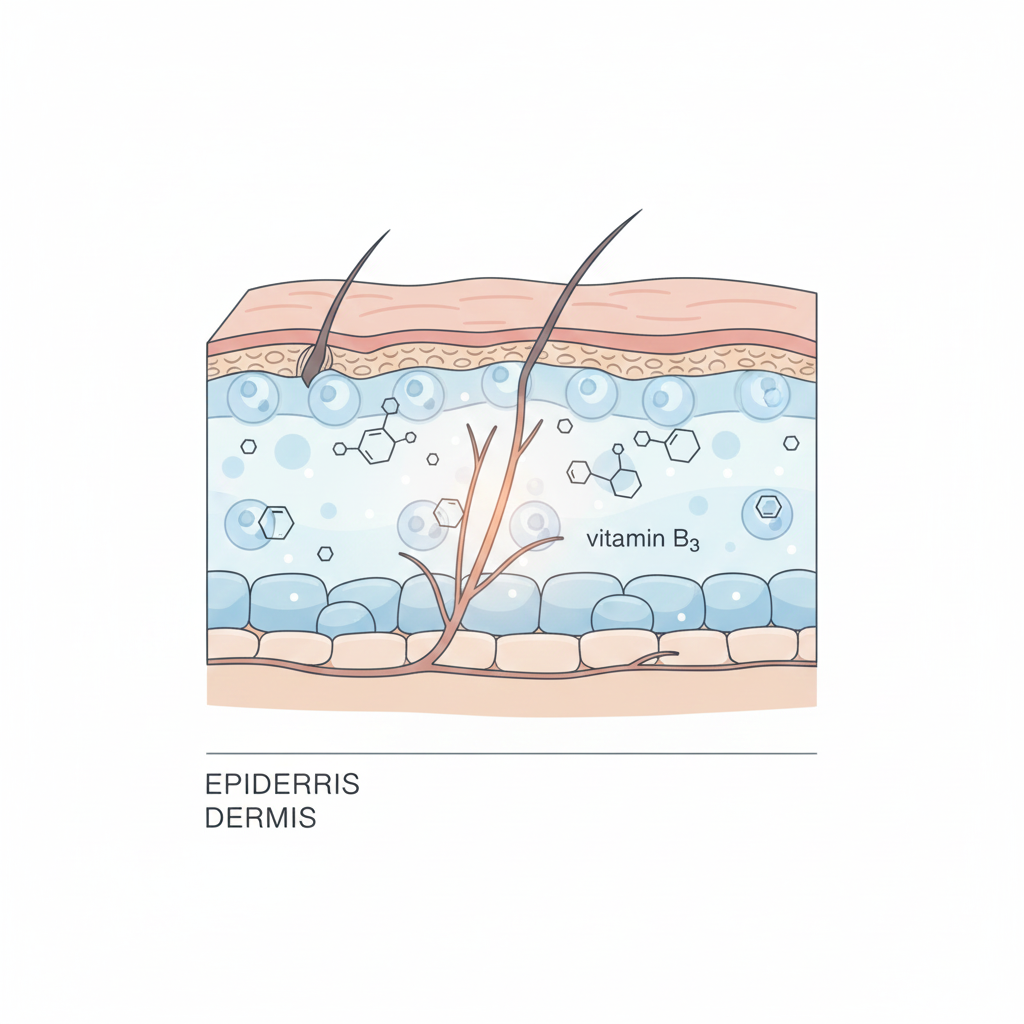
Niacinamide is a water-soluble form of Vitamin B3. While our bodies need this vitamin for various functions, our skin cannot produce it naturally. This makes topical application essential for maintaining a healthy complexion.
The “Battery Pack” for Your Cells
At the biochemical level, Niacinamide is a precursor to NAD(P), a coenzyme essential for cellular energy metabolism.
Think of Niacinamide as a battery pack for your skin cells. It provides the energy required for cells to:
- Perform repair work
- Replicate healthy tissue
- Neutralize environmental damage
Key cellular benefits include:
- Protein Synthesis: Stimulates the production of keratin, keeping skin firm and resilient
- Lipid Barrier Support: Promotes ceramide synthesis, strengthening the skin’s protective barrier
Top 7 Evidence-Based Benefits of Niacinamide
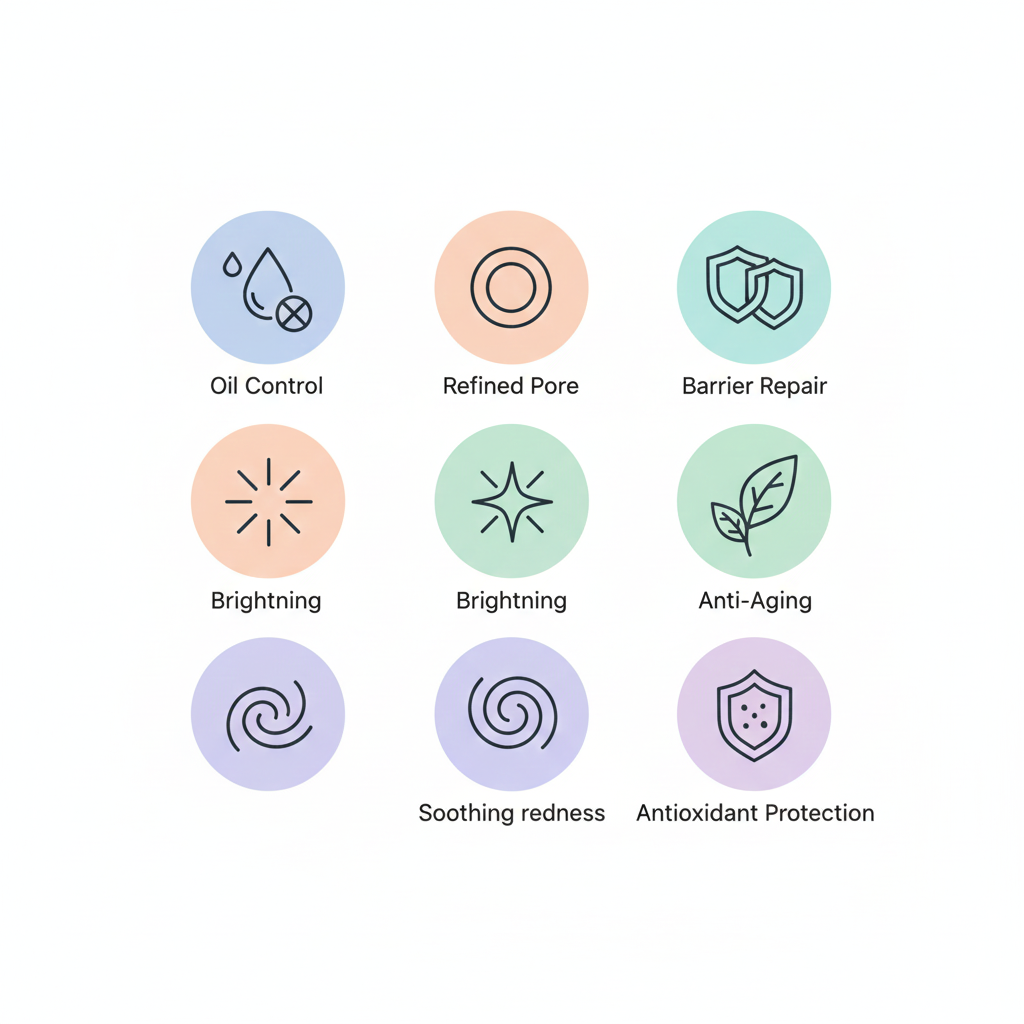
1. Pore Refinement and Sebum Control
One of the most common skincare frustrations is oily skin and “large” pores. Niacinamide regulates oil production without stripping moisture.
The Science:
Clinical studies show that a 2% concentration can significantly reduce sebum production within 4 weeks.
The Result:
Clearer pores that appear smaller, giving skin a smooth, refined finish.
2. Strengthens the Skin Barrier (Ceramide Boost)
A compromised skin barrier leads to sensitivity, redness, and dehydration.
Niacinamide increases the production of ceramides and fatty acids, which:
- Lock moisture in
- Block irritants and pollutants
The Benefit:
Stronger, calmer skin that’s more resistant to environmental stress.
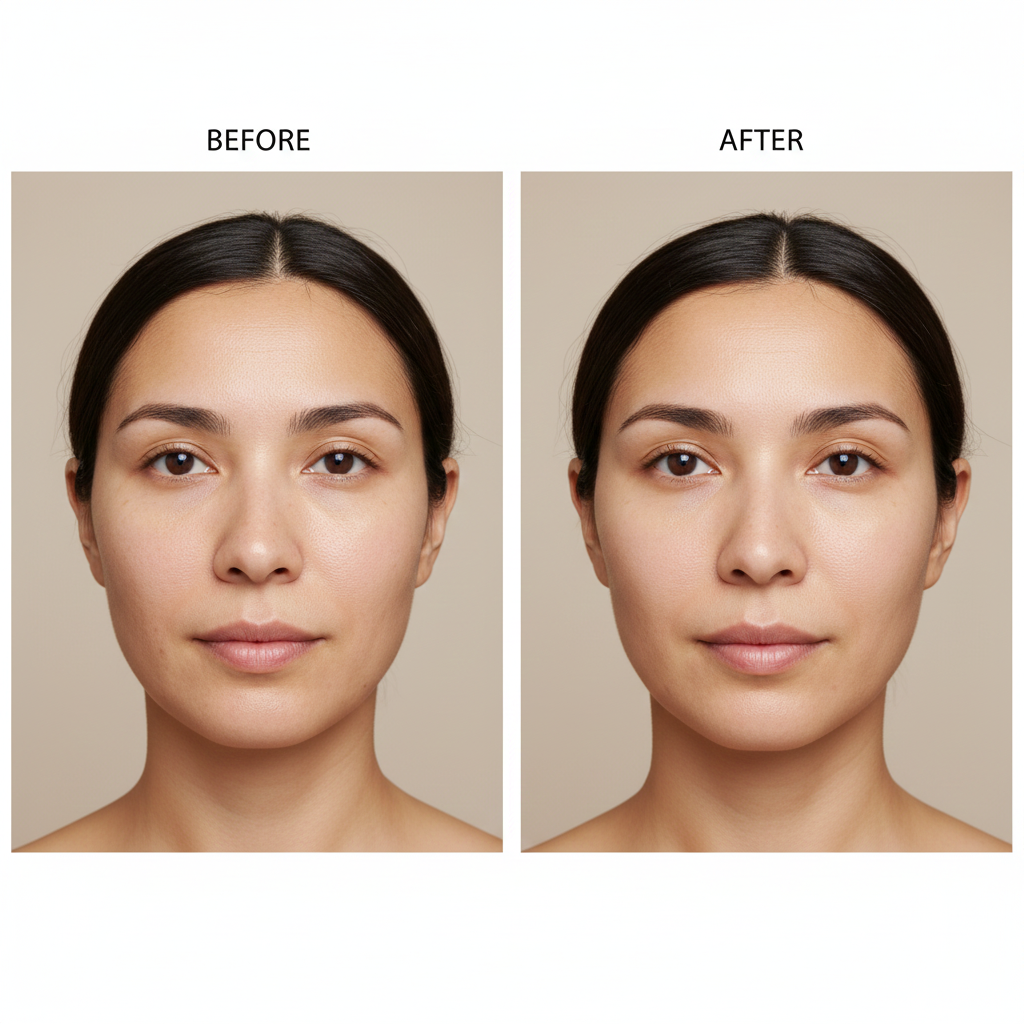
3. Fades Dark Spots and Hyperpigmentation
Unlike harsh brightening agents, Niacinamide improves pigmentation gently.
How It Works:
Instead of destroying pigment-producing cells, it blocks melanin transfer to the skin’s surface.
Clinical Evidence:
Studies using 5% Niacinamide show visible improvement in sun damage and hyperpigmentation after 8 weeks.
4. Anti-Aging: Fighting Fine Lines and Elasticity
Niacinamide boosts collagen production, helping skin appear plumper and firmer over time.
Why It’s Different from Retinol:
- No purging
- No peeling
- Safe for sensitive skin
It’s an excellent starter anti-aging ingredient.
5. Anti-Inflammatory: Calming Acne and Rosacea
Niacinamide reduces inflammation, making it especially helpful for:
- Inflammatory acne
- Rosacea-prone skin
- Redness caused by pollution or stress
It also speeds up skin healing and recovery.
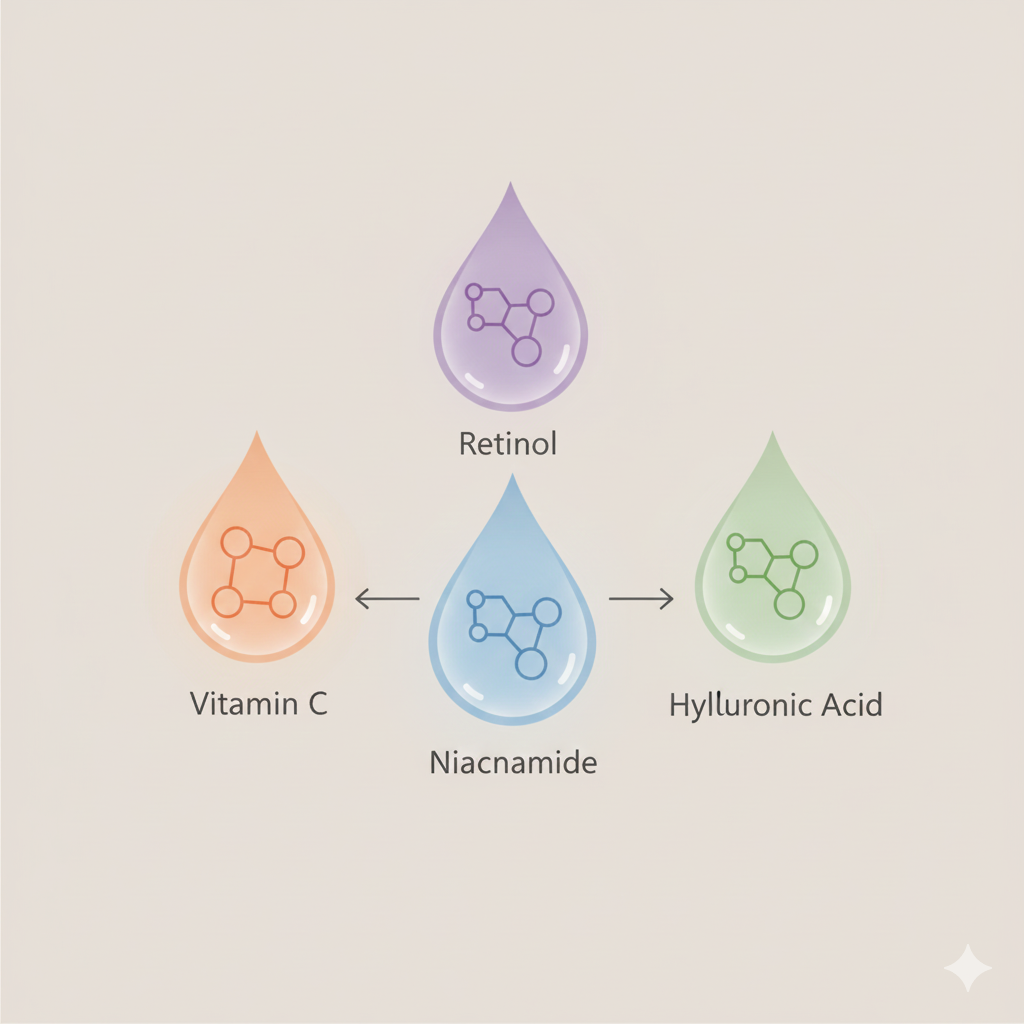
6. Incredible Compatibility with Other Actives
Niacinamide is the ultimate team player in skincare routines.
It works well with:
- Vitamin C: Enhances brightness and glow
- Retinol: Reduces irritation and dryness
- Hyaluronic Acid: Boosts hydration and barrier repair
7. Protection Against Oxidative Stress
UV rays and pollution create free radicals that accelerate aging.
Niacinamide acts as an antioxidant, neutralizing these harmful molecules before they damage skin cells.
Comparison Table: How Niacinamide Fits Into Your Routine
| Ingredient | How They Work Together | Recommendation |
|---|---|---|
| Vitamin C | Brightening synergy | Use in the morning |
| Retinol | Buffers irritation | Use together at night |
| Hyaluronic Acid | Hydration & repair | AM & PM use |
| Salicylic Acid | Oil control & pore clearing | Best for acne-prone skin |
Debunking 2026 Skincare Myths
Myth 1: “A 20% concentration is better than 5%”
Truth:
Research shows 2–5% is the ideal range. Concentrations above 10% often cause irritation, redness, or product pilling.
Myth 2: “Niacinamide works overnight”
Truth:
Redness may calm quickly, but visible improvements like faded spots and refined pores take 4–12 weeks of consistent use.
Buyer’s Guide: How to Choose the Best Niacinamide Serum
- Concentration:
- 5% for most skin types
- 2% for sensitive skin
- Best Ingredient Pairings:
- Oily skin: Niacinamide + Zinc PCA
- Dry skin: Niacinamide + Hyaluronic Acid
- pH Balance:
- Most stable around pH 6.0
How to Apply Niacinamide Safely
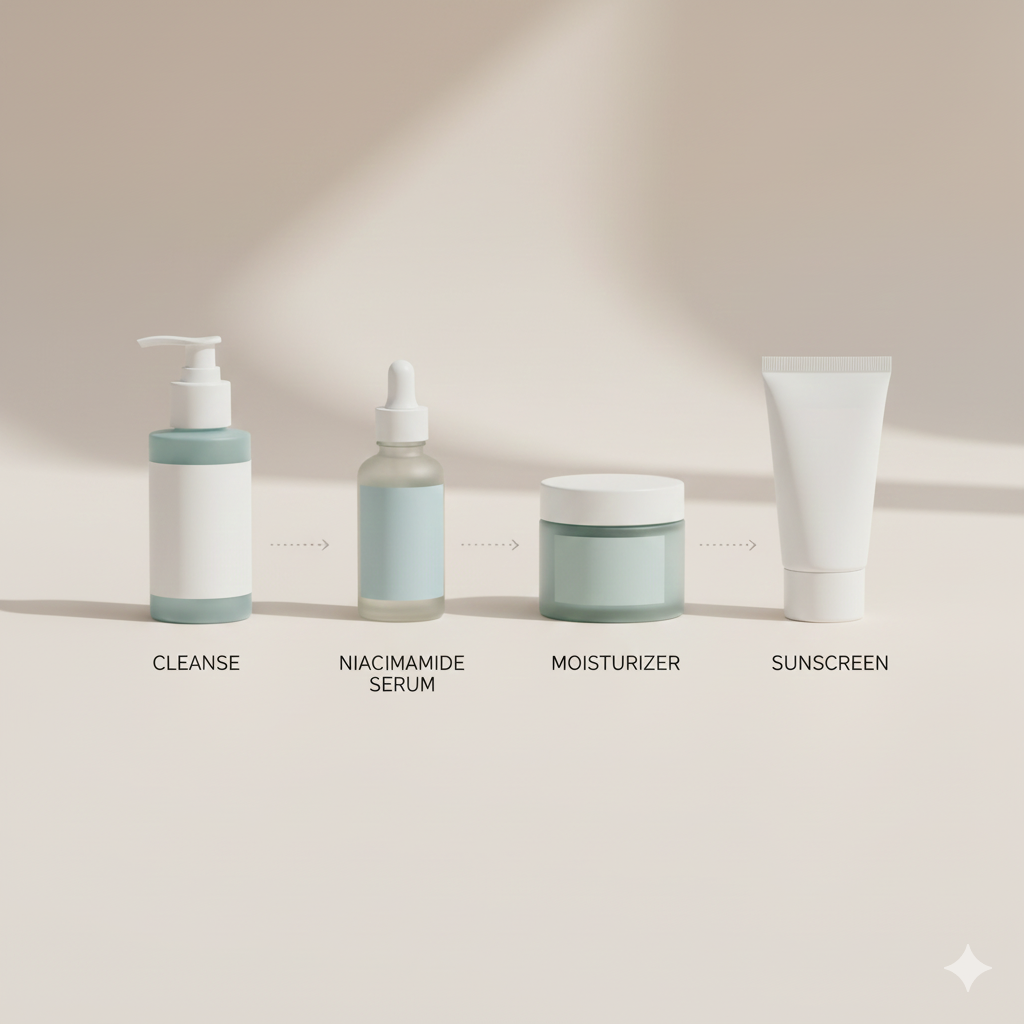
- Cleanse: Use a gentle, pH-balanced cleanser
- Apply: 2–3 drops on slightly damp skin
- Layer: Seal with moisturizer
- Protect: Finish with SPF 30+ in the morning
Frequently Asked Questions (FAQs)
Can I use Niacinamide every day?
Yes. It’s gentle enough for twice-daily use.
Does it help with acne scars?
It fades red or brown marks (PIE/PIH) but won’t treat deep pitted scars.
Can I use it while pregnant?
Generally considered safe, but always consult your doctor.
Conclusion: The Gold Standard of Modern Skincare
Niacinamide isn’t a trend—it’s a clinically proven skincare essential. From oil control to barrier repair and pigmentation correction, it delivers reliable, long-term results.
Next Step:
Check your current moisturizer. If it doesn’t contain at least 2% Niacinamide, consider adding a 5% serum to your routine tonight. Stay consistent for 8 weeks, and your skin will show the difference.

Tamanna Zaman is an English graduate and self-care researcher at CareByScience, creating research-driven content on skincare, haircare, and wellness. By analyzing clinical studies and verified expert insights, she provides actionable, trustworthy routines that help readers achieve healthier skin, stronger hair, and overall wellbeing.



Thanks