Why Vitamin D Deficiency Is a Global Health Issue
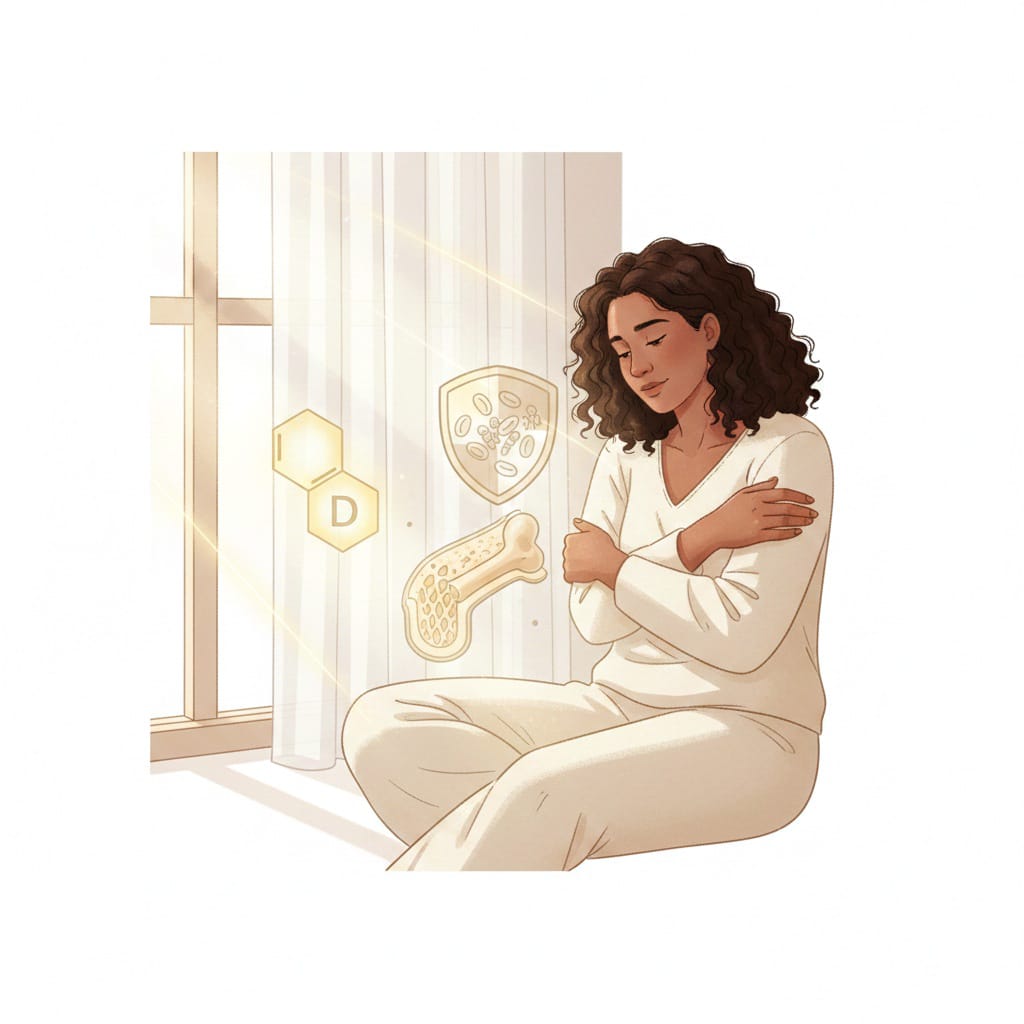
Vitamin D deficiency is no longer a rare problem. In fact, it has quietly become one of the most common nutritional deficiencies worldwide. Although many people assume they get enough vitamin D from sunlight or food, research consistently shows that millions of adults still fall short—often without realizing it.
More importantly, vitamin D plays a vital role in bone strength, immune function, hormonal balance, muscle health, and even mental well-being. Therefore, when your body lacks this essential nutrient, the effects do not remain limited to one area. Instead, they ripple through nearly every system of the body.
As a result, symptoms often appear slowly and silently. Because of this gradual onset, many people ignore early warning signs until the deficiency becomes severe. Fortunately, once you clearly understand the causes and symptoms, you can take practical, natural steps to restore healthy vitamin D levels before long-term damage occurs.
In this comprehensive guide, you’ll learn:
- What vitamin D deficiency really means
- Common and hidden symptoms you shouldn’t ignore
- Why deficiency happens even with sun exposure
- Natural ways to fix vitamin D deficiency
- Supplement guidance, safety tips, and timelines
What Is Vitamin D and Why Is It Essential?
Vitamin D is a fat-soluble vitamin that functions more like a hormone than a typical nutrient. Once your body produces or absorbs it, vitamin D travels through the bloodstream and helps regulate hundreds of biological processes.
Most importantly, vitamin D allows your body to absorb calcium and phosphorus—two minerals essential for maintaining strong bones and healthy teeth. Additionally, it supports immune defense, muscle contraction, inflammation control, and even nerve signaling.
There are two primary forms of vitamin D:
- Vitamin D2 (ergocalciferol) – found mainly in plant-based sources.
- Vitamin D3 (cholecalciferol) – produced in the skin through sunlight and found in animal-based foods.
Among these, vitamin D3 is significantly more effective at raising and maintaining healthy blood vitamin D levels. For this reason, most experts recommend D3 when supplementation becomes necessary. To understand more about how specific nutrients affect your body, you can check our guide on Best Hair Growth Supplements 2026.
What Is Vitamin D Deficiency?
Vitamin D deficiency occurs when blood levels fall below the optimal range required for normal body functions. According to medical guidelines provided by the National Institutes of Health (NIH):
H3: Vitamin D Reference Range Table
| Vitamin D Level (25-OH) | Status | Risk Level |
| Below 20 ng/mL | Deficient | High (Risk of Bone Loss) |
| 20–30 ng/mL | Insufficient | Moderate |
| 30–60 ng/mL | Optimal | Healthy Range |
| Above 100 ng/mL | Potential toxicity | Excessive (Consult Doctor) |
When vitamin D levels remain low for extended periods, the body struggles to maintain bone density, immune resilience, and hormonal balance. Over time, this imbalance increases the risk of chronic pain, infections, and metabolic issues.
How Is Vitamin D Deficiency Diagnosed?
Although symptoms provide important clues, the only reliable way to confirm vitamin D deficiency is through a blood test. Doctors usually measure 25-hydroxyvitamin D [25(OH)D], which reflects the body’s stored vitamin D.
Fortunately, this test is simple and widely available. Moreover, early testing helps determine whether lifestyle changes alone are sufficient or if supplementation is necessary. Doctors often recommend testing if you experience:
- Persistent fatigue
- Bone or muscle pain
- Hair thinning or unexplained shedding (Learn about Rosemary Oil for external hair support).
- Frequent illness
- Mood changes or low immunity
Early diagnosis allows faster correction and prevents long-term complications.
Common Symptoms of Vitamin D Deficiency
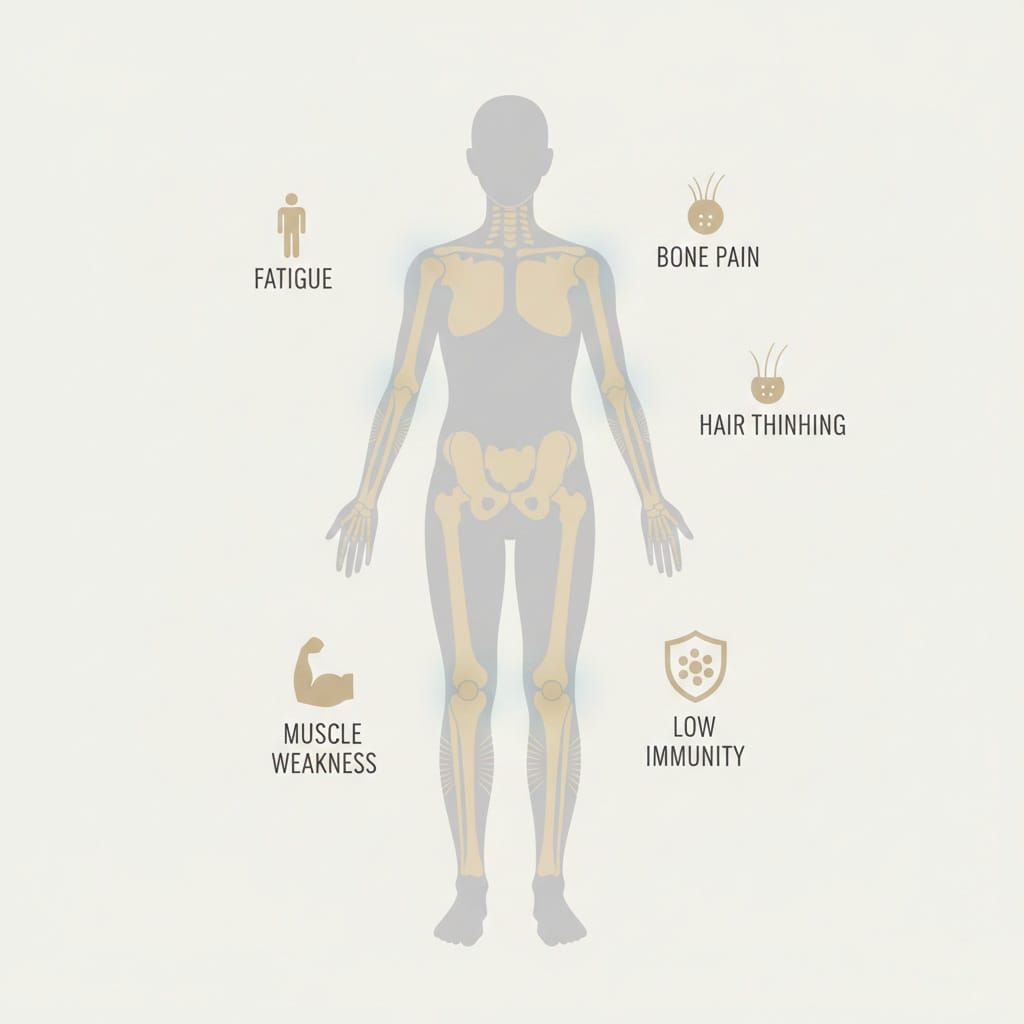
Because vitamin D affects multiple systems, symptoms can vary widely. However, certain signs appear more frequently than others.
Chronic Fatigue and Low Energy
First of all, persistent tiredness is one of the most commonly overlooked symptoms. Even after proper sleep, people with vitamin D deficiency often feel drained throughout the day. Studies on PubMed have linked low D3 levels to daytime sleepiness.
Bone Pain and Weakness
Since vitamin D is crucial for calcium absorption, deficiency often leads to bone discomfort, lower back pain, joint stiffness, and increased fracture risk.
Hair Loss and Thinning
Interestingly, low vitamin D levels are closely linked to hair shedding and thinning. In fact, many people experiencing unexplained hair loss later discover they have a deficiency. This connection becomes even stronger when hormonal factors such as DHT are involved, making internal wellness essential for long-term hair health.
Frequent Illness and Weak Immunity
Vitamin D supports immune cell activation. Therefore, deficiency may lead to frequent colds, infections, slow healing, or recurring seasonal illness.
Mood Changes and Depression
Several studies associate low vitamin D levels with mood disorders. While it is not the sole cause, deficiency may worsen anxiety, low motivation, or depressive symptoms.
Muscle Pain and Cramps
Muscle weakness, cramps, or unexplained aches often point toward low vitamin D, especially in adults and older individuals.
Vitamin D Deficiency in Women

Women are particularly vulnerable to vitamin D deficiency due to hormonal changes, pregnancy, limited sun exposure, and dietary gaps. Common signs in women include:
- Hair thinning
- Brittle bones (Risk of Osteoporosis)
- Menstrual irregularities
- Mood swings
- Chronic fatigue
Moreover, vitamin D deficiency during pregnancy can affect both mother and baby, making early detection and correction especially important.
Vitamin D Deficiency in Men
Although vitamin D deficiency affects both genders, men often overlook early symptoms. As a result, deficiency may remain untreated for years. In men, low vitamin D levels are commonly associated with:
- Reduced muscle strength
- Low energy and poor workout recovery
- Bone density loss with aging
- Hormonal imbalance
Since vitamin D plays a role in hormonal regulation, long-term deficiency may indirectly affect overall vitality and physical performance.
What Causes Vitamin D Deficiency?
Lack of Sunlight
Although sunlight is the primary natural source, modern lifestyles significantly limit sun exposure. Indoor work, sunscreen use, pollution, and urban living all reduce vitamin D synthesis.
Poor Dietary Intake
Very few foods naturally contain vitamin D. As a result, diets lacking fortified foods increase deficiency risk, especially in people following restrictive diets.
Absorption Issues
Digestive disorders (like Celiac disease), obesity, and certain medications can interfere with vitamin D absorption, even when intake appears sufficient.
Age and Skin Pigmentation
As people age, their skin produces less vitamin D. Similarly, darker skin requires longer sun exposure to generate adequate amounts because of high melanin.
Why Vitamin D Deficiency Is Increasing Worldwide
Despite growing awareness, vitamin D deficiency continues to rise globally. Screen-based work, indoor lifestyles, air pollution, and processed diets all contribute to this ongoing problem. According to World Health Organization reports, urban populations are at the highest risk.
How to Fix Vitamin D Deficiency Naturally

Smart Sun Exposure
Spend 15–30 minutes in sunlight 3–4 times a week, exposing arms or legs without sunscreen when safe.
Vitamin D–Rich Foods
Include:
- Egg yolks (Pasture-raised)
- Fatty fish such as salmon, mackerel, and sardines.
- Fortified milk or plant-based alternatives (Soy/Almond).
- Mushrooms exposed to UV light.
Improve Absorption with Healthy Fats
Vitamin D absorbs better with fat. Therefore, consume it alongside healthy fats like olive oil, avocado, nuts, or seeds.
Lifestyle Balance
Quality sleep, stress management, and regular movement help regulate hormones that support vitamin D metabolism.
Vitamin D, Skin, Hair, and Immunity
Optimal vitamin D levels support skin barrier function, hair follicle cycling, and immune resilience. On the other hand, deficiency may worsen acne, hair loss, and frequent illness—highlighting the importance of internal wellness.
Vitamin D Supplements: What You Should Know

When natural methods aren’t enough, supplements help restore optimal levels safely.
✔ Recommended Dosage:
- Maintenance: 800–2000 IU daily.
- Deficiency correction: 2000–4000 IU (doctor-guided).
✔ Best Type:
Vitamin D3 is more effective and better absorbed than D2.
Can You Take Too Much Vitamin D?
Although vitamin D is essential, excessive intake over long periods can be harmful. Toxicity usually results from high-dose supplements, not food or sunlight. Possible symptoms include nausea, excessive thirst, and calcium buildup (hypercalcemia). Therefore, moderation and periodic testing are crucial.
How Long Does It Take to Fix Vitamin D Deficiency?
Generally:
- 4–6 weeks: Energy and mood improvement.
- 2–3 months: Stronger immunity.
- 3–6 months: Bone and hair health improvement.
Consistency matters. Vitamin D works gradually, not overnight.
Seasonal Vitamin D Deficiency
Vitamin D deficiency often worsens during winter when sunlight exposure drops. As a result, immunity weakens and fatigue increases. Maintaining consistent supplementation during colder months helps prevent seasonal deficiency.
Frequently Asked Questions (FAQ)
Q1: Can vitamin D deficiency cause hair loss? Yes. Low vitamin D disrupts hair follicle cycling and may worsen thinning by affecting the anagen phase.
Q2: Is vitamin D deficiency common? Extremely common. Over 40% of adults worldwide are affected by insufficiency or deficiency.
Q3: Can food alone fix vitamin D deficiency? Usually not. Food provides only about 10% of the body’s needs; sunlight and supplements are often required for correction.
Q4: Is vitamin D safe long term? Yes, when taken within recommended limits (typically up to 4,000 IU daily unless prescribed otherwise).
Q5: Should women take vitamin D daily? Yes, especially post-menopausal women and those with limited sun exposure to prevent bone density loss.
Final Thoughts
Vitamin D deficiency silently affects millions, yet it remains one of the easiest nutritional problems to correct. Once you understand the symptoms, causes, and solutions, you can take control of your health with confidence.
By combining sunlight, diet, lifestyle improvements, and supplementation when necessary, you can restore balance, strengthen immunity, and support long-term wellness naturally.
Call to Action
- Explore more science-backed wellness guides on CareByScience
- Save this article for future reference
- Share it with someone who might need it!

Tamanna Zaman is an English graduate and self-care researcher at CareByScience, creating research-driven content on skincare, haircare, and wellness. By analyzing clinical studies and verified expert insights, she provides actionable, trustworthy routines that help readers achieve healthier skin, stronger hair, and overall wellbeing.