Hair loss affects millions worldwide and can impact confidence, mental health, and appearance. While genetics and hormones like DHT play a role, natural hair growth supplements and vitamins have become a popular, effective solution for men and women seeking thicker, healthier hair. This guide examines the top 10 hair growth supplements in 2026, providing science-backed insights, usage instructions, and tips for optimal results.
Whether you’re beginning your hair growth journey or seeking to improve existing regimens, these strategies offer global applicability, including US and European readers seeking high-quality solutions.
Medical Disclaimer
Please note: This article is intended for informational purposes only and does not constitute medical advice. Always consult with a qualified healthcare professional or dermatologist before starting any new supplement regimen, especially if you have pre-existing medical conditions, are pregnant, breastfeeding, or taking other medications. Individual results may vary.
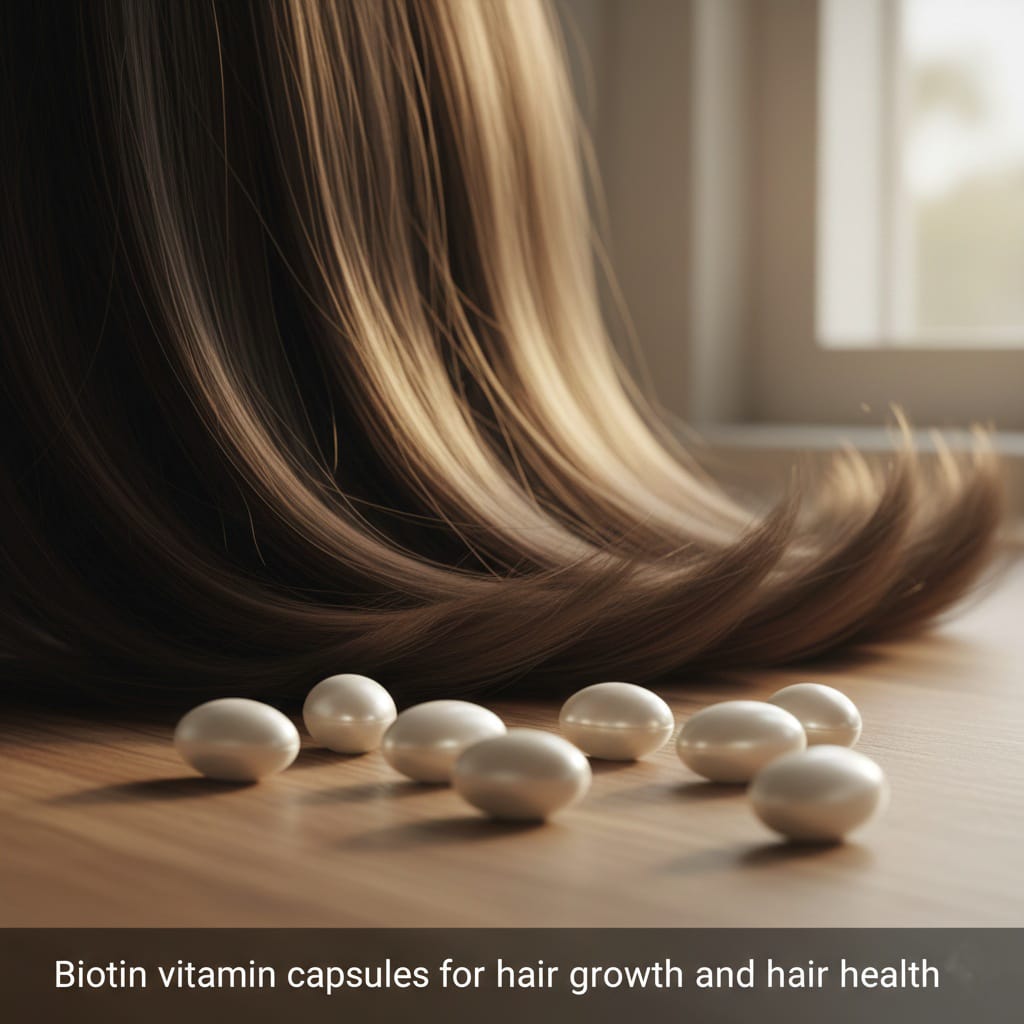
1. Biotin (Vitamin B7)
Overview: Biotin is a water-soluble B vitamin essential for keratin production, promoting strong, healthy hair.
Benefits:
- Strengthens hair strands
- Reduces breakage
- Supports scalp health
Dosage & Use:
- Typical dose: 2,500–5,000 mcg daily
- Can be taken orally as a supplement or included in hair care formulations
Evidence: Studies suggest biotin improves hair thickness in individuals with a deficiency. [Healthline – Biotin for Hair]
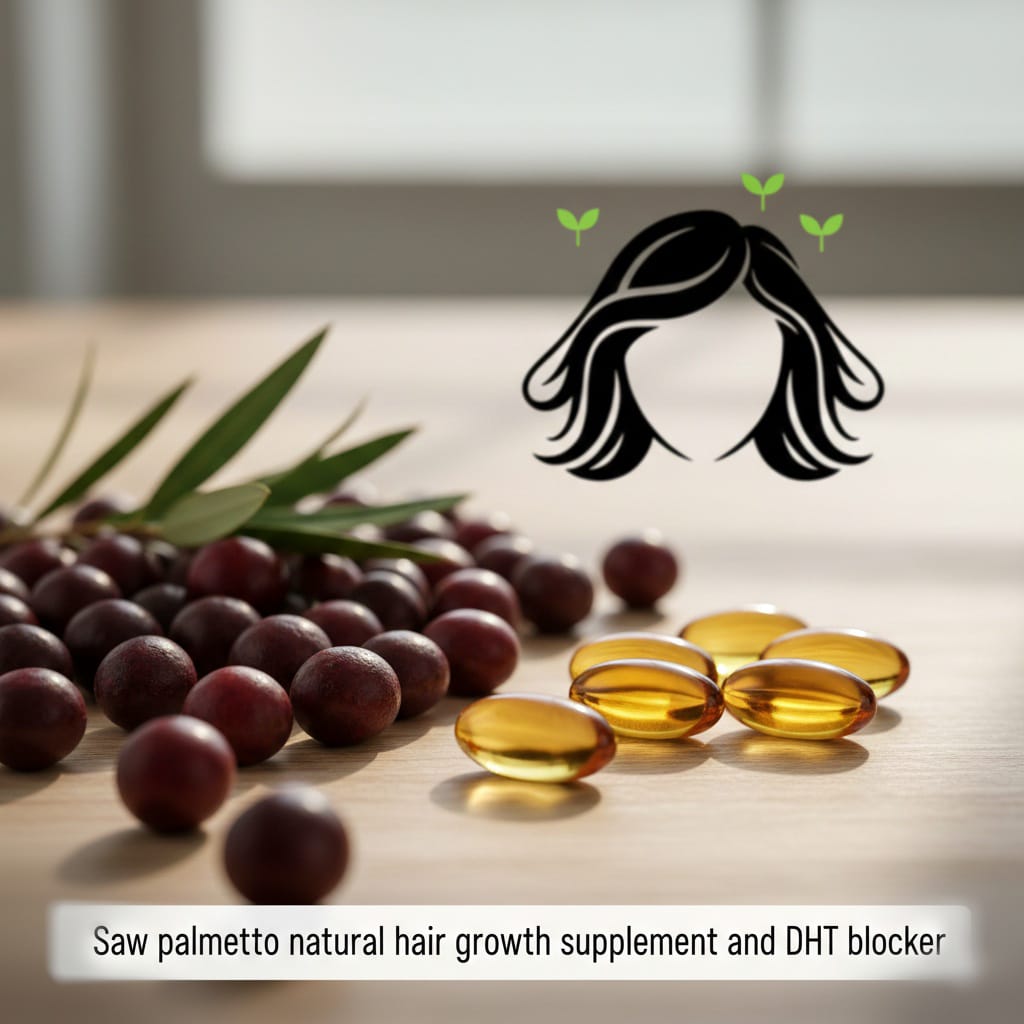
2. Saw Palmetto
Overview: A natural DHT blocker, saw palmetto inhibits 5-alpha reductase, preventing testosterone conversion to DHT, which causes hair miniaturization.
Benefits:
- Reduces DHT-related hair loss
- Promotes regrowth in androgenetic alopecia
Dosage & Use:
- 160–320 mg/day orally
- Topical serums also available
Evidence: Clinical studies show moderate improvement in hair density. [PubMed Research – Saw Palmetto Hair]
3. Pumpkin Seed Oil
Overview: Rich in phytosterols and fatty acids, pumpkin seed oil may support DHT inhibition and hair growth.
Benefits:
- Improves hair count
- Reduces shedding
Dosage & Use:
- 1–2 teaspoons daily or topical application with carrier oil
Evidence: Research shows significant increase in hair density after 24 weeks. [External Link: Healthline – Pumpkin Seed Oil Hair]
4. Collagen Peptides
Overview: Collagen is a structural protein supporting hair, skin, and nails.
Benefits:
- Strengthens hair shafts
- Improves scalp elasticity
- Supports overall hair health
Dosage & Use:
- 5–10 grams daily in smoothies, drinks, or capsules
Evidence: Studies indicate collagen supplementation reduces hair breakage and improves thickness. [External Link: Clinical Study – Collagen Hair]
5. Vitamin D
Overview: Vitamin D regulates hair follicle cycling, and deficiency is linked to hair thinning.
Benefits:
- Promotes anagen phase
- Supports follicle regeneration
Dosage & Use:
- 1,000–4,000 IU daily, based on blood levels
Evidence: Studies show supplementation restores hair growth in deficient individuals. [Mayo Clinic – Vitamin D Hair Loss]
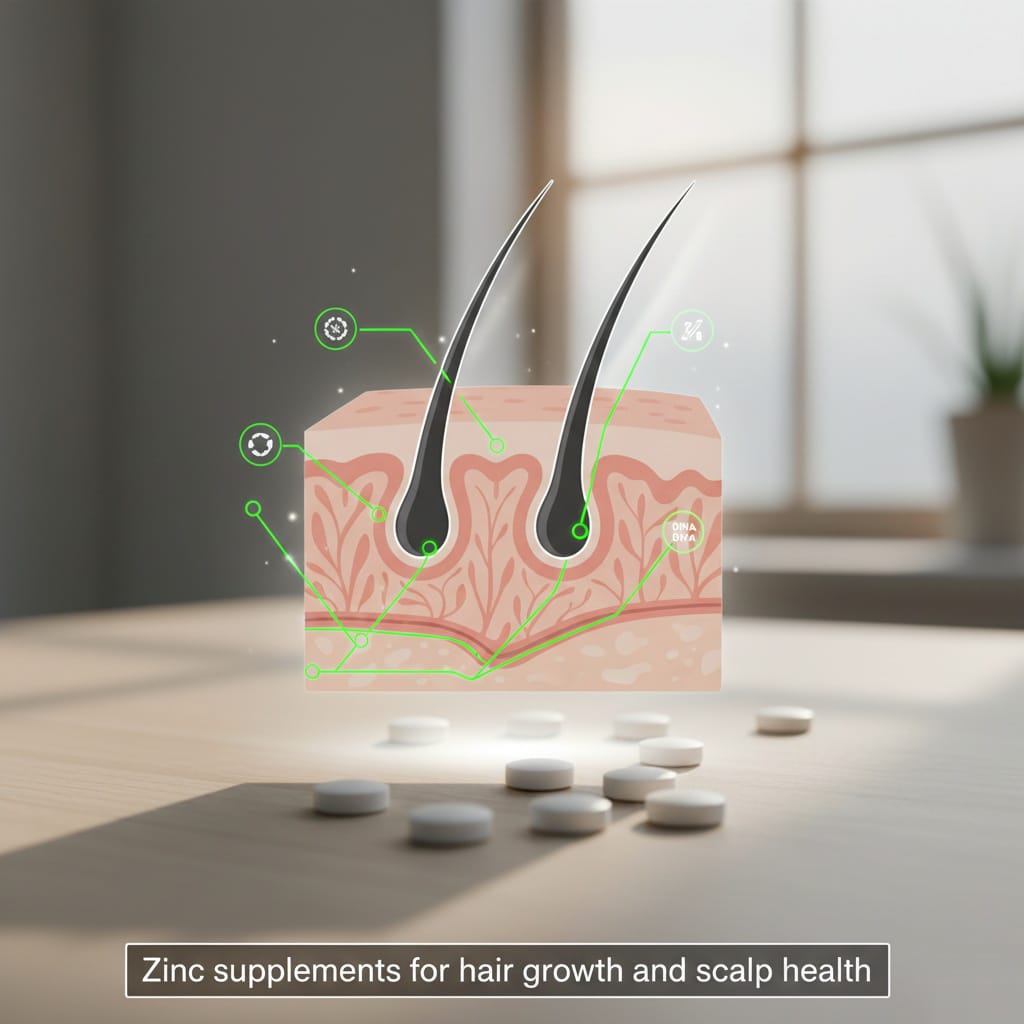
6. Zinc
Overview: Zinc is essential for DNA and protein synthesis in hair follicles.
Benefits:
- Reduces hair shedding
- Supports follicle repair
Dosage & Use:
- 8–11 mg/day for adults
- Excessive intake can inhibit absorption of other minerals
Evidence: Research links zinc deficiency to hair loss, and supplementation improves hair density. [Healthline – Zinc Hair Loss]
7. Omega-3 Fatty Acids (Fish Oil / Flaxseed)
Overview: Omega-3s reduce inflammation and nourish hair follicles.
Benefits:
- Strengthens hair
- Reduces dryness and brittleness
- Supports scalp health
Dosage & Use:
- Fish oil: 1–3 grams daily
- Flaxseed oil: 1–2 tablespoons daily
Evidence: Anti-inflammatory effects promote healthy hair cycles. [Mayo Clinic – Omega-3 Benefits]
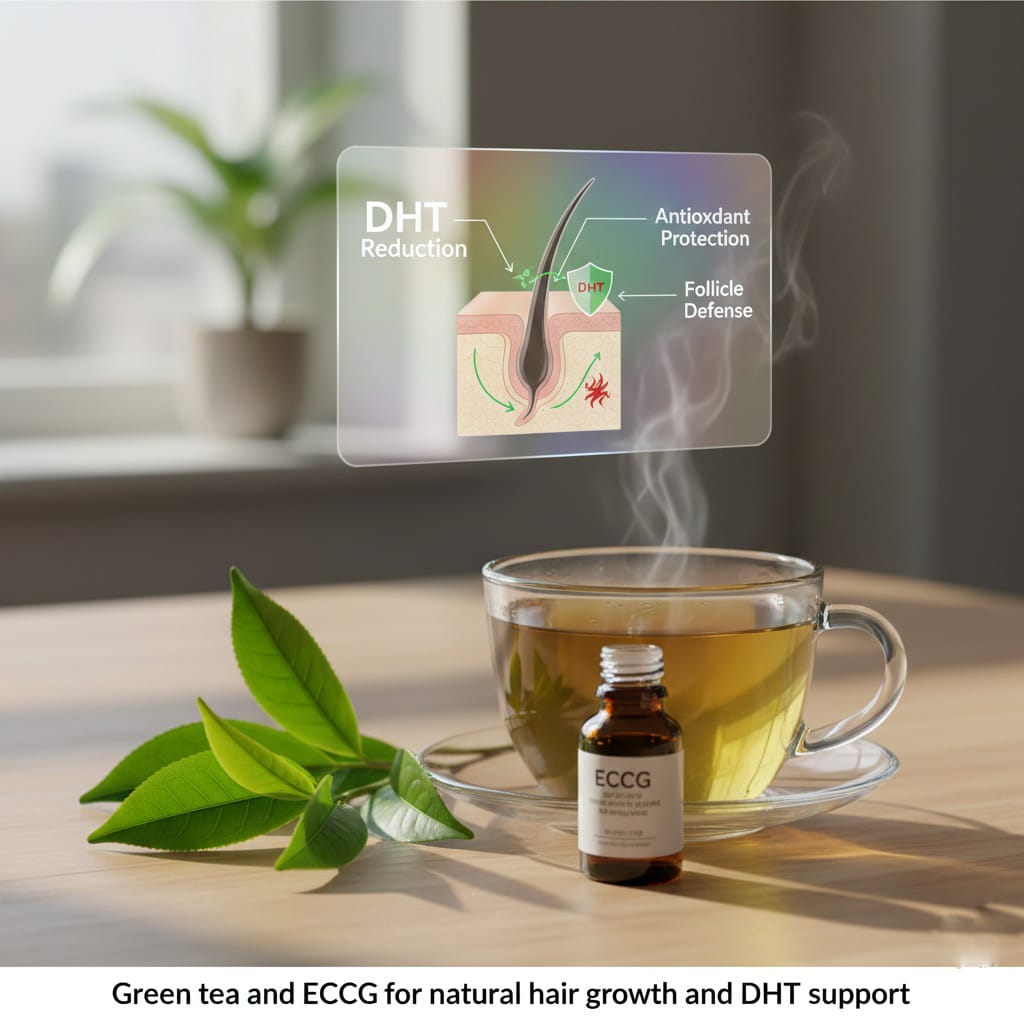
8. Green Tea & EGCG
Overview: EGCG in green tea inhibits 5-alpha reductase and reduces oxidative stress in follicles.
Benefits:
- Supports DHT reduction
- Protects hair follicles from damage
Dosage & Use:
- Drink 1–2 cups daily or use in hair products
Evidence: Lab studies suggest EGCG slows hair loss progression. [Healthline – Green Tea Hair]
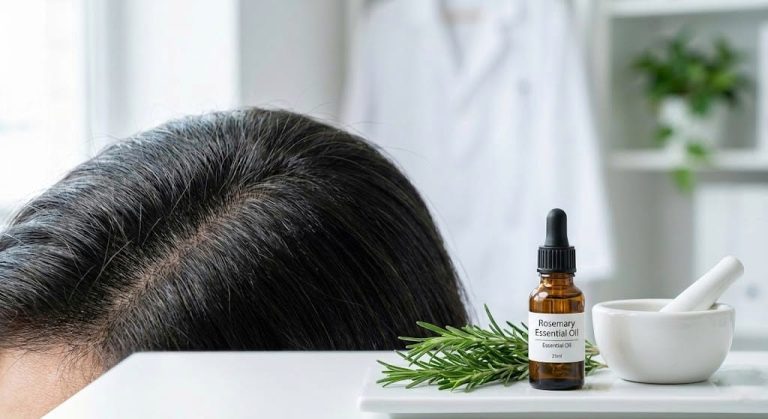
9. Rosemary Oil (Topical)
Overview: Clinically shown to improve circulation and support natural DHT reduction.
Benefits:
- Stimulates follicles
- Promotes thicker hair growth
- Reduces scalp inflammation
Dosage & Use:
- Massage diluted rosemary oil into scalp 3–5 times per week
Internal Link: [Internal Link: Rosemary Oil for Hair Growth]
10. Multivitamin Formulas for Hair
Overview: Hair-specific multivitamins combine B vitamins, biotin, vitamin D, zinc, and minerals for comprehensive support.
Benefits:
- Ensures daily nutrient sufficiency
- Supports hair, skin, and nail health
Dosage & Use:
- Follow label instructions
- Pair with healthy diet for best results
The Science of the Hair Cycle: Why Patience is Key
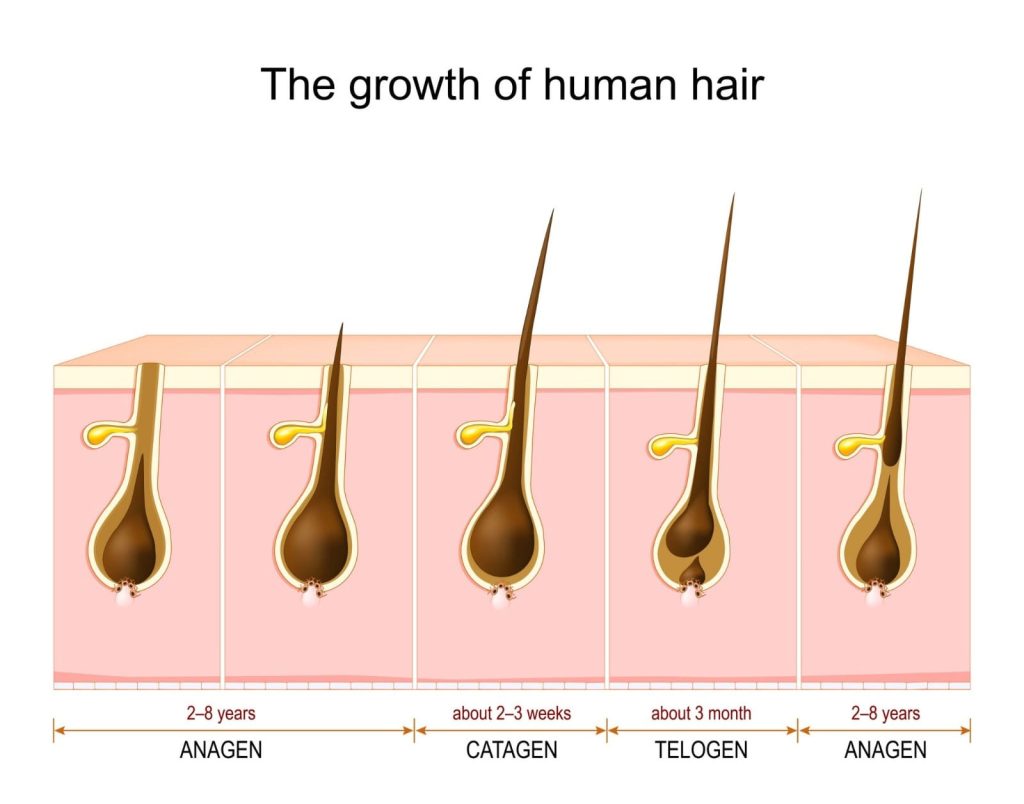
To understand why supplements are a long-term commitment, we must look at the biological timeline of a hair strand. Hair growth occurs in three distinct phases:
- Anagen (Growth Phase): Lasts 2–7 years. Supplements like Biotin and Zinc work here by providing the raw materials for new cells.
- Catagen (Transition Phase): A short 2-week stage where the follicle shrinks.
- Telogen (Resting Phase): Lasts about 3 months before the hair naturally falls out.
Because the Telogen phase lasts 90 days, you likely won’t see “new” hair for at least three months. Most users quit at the 4-week mark, right before the vitamins actually reach the visible part of the scalp. In 2026, clinical consensus remains: consistency for 180 days is the gold standard for evaluating any supplement’s success.
Bioavailability: Maximizing Your Body’s Absorption
Taking a supplement is only half the battle; your body must be able to absorb it. To prevent “expensive urine,” follow these 2026 absorption protocols:
- Pair with Healthy Fats: Vitamins D, E, and Omega-3 are fat-soluble. Taking them on an empty stomach can reduce absorption by up to 50%. Always take these with a meal containing avocado, nuts, or olive oil.
- The Zinc-Copper Balance: Long-term high-dose Zinc supplementation can interfere with Copper absorption. Look for “balanced” hair vitamins that include a 15:1 ratio of Zinc to Copper.
- Chelated Minerals: When shopping for Zinc or Magnesium, look for the words “Chelated” or “Bisglycinate.” These are bound to amino acids, allowing them to pass through the gut wall more efficiently than cheaper “Oxide” forms.
Emerging 2026 Trends: Adaptogens and the Scalp Microbiome
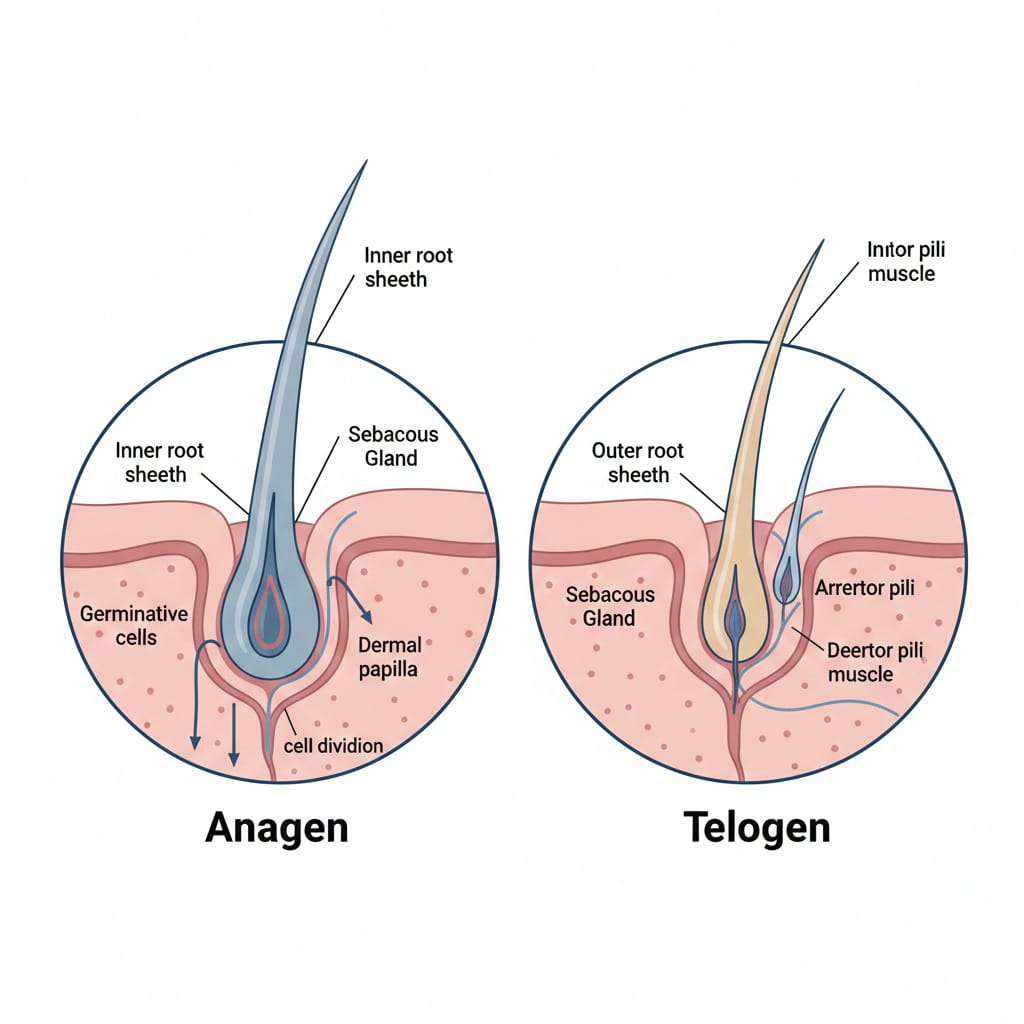
The latest research has moved beyond just “vitamins.” Two new areas are essential for modern hair health:
1. Cortisol and Adaptogens
Stress-induced thinning (Telogen Effluvium) is a leading cause of hair loss. Emerging 2026 formulations now include Ashwagandha and Rhodiola. These don’t grow hair directly; instead, they lower cortisol—the “stress hormone” that signals follicles to stop growing and enter the shedding phase prematurely.
2. The Scalp Microbiome
Just as we focus on gut health, we now know the scalp has its own ecosystem. Inflammation caused by microbial imbalance can “choke” the follicle. Using a Probiotic-infused scalp serum alongside your vitamins ensures the external environment is as healthy as the internal one.
5 Common Mistakes That Stunt Hair Growth
- Mega-Dosing Biotin: Taking 10,000mcg+ daily can cause “Biotin-acne” and interfere with lab tests. Stick to the 2,500–5,000mcg range unless directed by a doctor.
- Inconsistent Routine: Skipping days resets the nutrient pool your follicles rely on. Treat your hair vitamins like a prescription.
- Low Protein Intake: Hair is 90% keratin (a protein). If your diet is low in protein, your body will prioritize vital organs over your hair, regardless of how many vitamins you take.
- Ignoring the Scalp: Supplements work from the inside, but “clogged” follicles from heavy product buildup can prevent hair from emerging strong.
- Dehydration: B-vitamins are water-soluble. Without enough water, your system flushes them out before they reach your hair bulbs.
Summary Reference Table
| Supplement | Best For | Mechanism | Key Pairing |
| Biotin | Brittle strands | Keratin synthesis | Collagen |
| Saw Palmetto | Thinning crown/part | DHT Inhibition | Pumpkin Seed Oil |
| Vitamin D | New follicle creation | Gene expression | Healthy Fats |
| Omega-3 | Scalp dryness | Inflammation reduction | Vitamin E |
| Zinc | Slow growth rate | DNA synthesis | Copper |
FAQ – People Also Ask
Q1: Can hair growth supplements work for everyone?
A: Supplements are most effective for those with nutrient deficiencies or early-stage thinning. They cannot “re-awaken” follicles that have been dormant for many years (completely smooth skin).
Q2: How long does it take to see results?
A: Typically 3–6 months. You will usually notice decreased shedding first, followed by improved texture, and finally new growth.
Q3: Are natural DHT blockers as strong as medications?
A: Natural blockers like Saw Palmetto are gentler and have fewer side effects, making them ideal for preventative care or mild-to-moderate thinning.
Q4: Can I combine multiple supplements?
A: Yes, but watch for overlaps. Many “Hair, Skin, and Nails” formulas already contain Biotin and Zinc. Adding more on top could lead to toxicity.
Q5: Should I take these on an empty stomach?
A: Most hair vitamins are better tolerated and absorbed with a meal to avoid nausea and increase the bioavailability of fat-soluble components.
Conclusion
Natural hair growth supplements and vitamins offer a science-backed, holistic approach to achieving the hair density you desire. By combining Biotin, DHT blockers like Saw Palmetto, and essential minerals, you address hair loss from multiple biological angles.
Start your journey today: Choose a regimen, stick to it for at least 90 days, and take “before” photos to track your progress. For deeper dives into specific treatments, explore our DHT and Hair Loss Guide.

Tamanna Zaman is an English graduate and self-care researcher at CareByScience, creating research-driven content on skincare, haircare, and wellness. By analyzing clinical studies and verified expert insights, she provides actionable, trustworthy routines that help readers achieve healthier skin, stronger hair, and overall wellbeing.