Understanding the Role of DHT in Hair Loss
Hair loss is more than a cosmetic issue—it can significantly affect self-esteem, emotional well-being, and overall quality of life. Millions of men and women across the globe experience progressive hair thinning, and one of the most well-established biological causes behind this condition is DHT (dihydrotestosterone).
DHT is a hormone derived from testosterone that plays a crucial role in several bodily functions. However, in genetically susceptible individuals, DHT becomes the primary trigger for pattern hair loss, leading to follicle shrinkage, reduced hair density, and gradual thinning.
As we move into 2026, awareness around natural, science-backed hair loss solutions is growing rapidly. Many people are now looking for safer alternatives to pharmaceutical treatments due to potential side effects, opting instead for dietary strategies, topical botanicals, and lifestyle changes that support long-term hair health.
In this comprehensive guide, you’ll learn:
- What DHT is and how it affects hair follicles
- The early warning signs of DHT-related hair loss
- Proven natural ways to block DHT
- Diet, scalp care, and lifestyle strategies to protect hair growth
Whether you’re noticing early thinning or aiming to prevent future hair loss, this article offers evidence-based and practical solutions to help you take control.
What Is DHT and How It Affects Hair
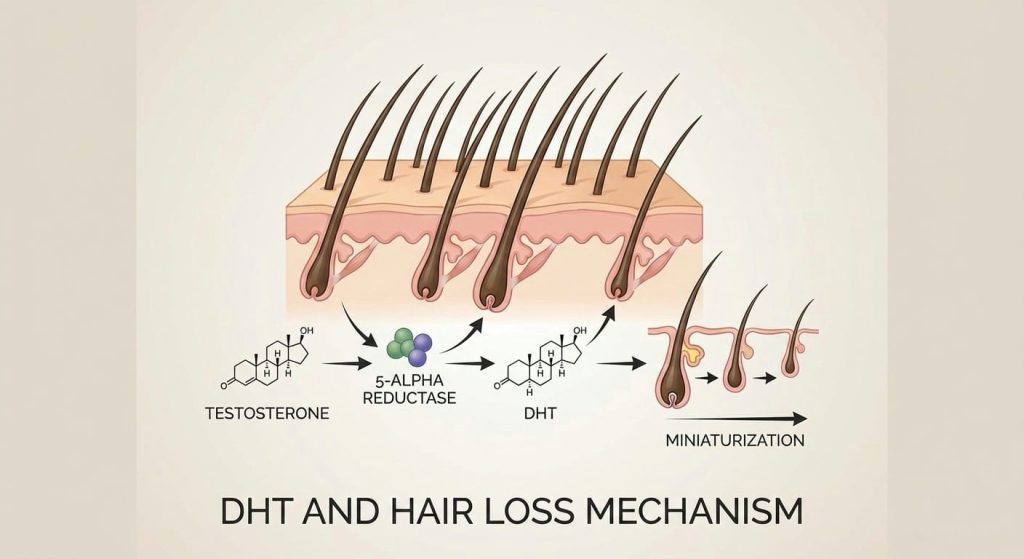
DHT, or dihydrotestosterone, is a potent androgen hormone formed when testosterone is converted by the enzyme 5-alpha reductase. While DHT is essential for male development, it can have damaging effects on scalp hair follicles in individuals with genetic sensitivity.
In areas such as the crown and frontal scalp, DHT binds to androgen receptors in hair follicles. This binding disrupts the normal hair growth process by:
- Shortening the hair growth cycle
- Shrinking hair follicles over time
- Producing thinner, weaker hair strands
This process, known as hair follicle miniaturization, is the hallmark of androgenetic alopecia, the most common form of hair loss in both men and women. Unlike hair loss caused by stress, illness, or nutritional deficiencies, DHT-related hair loss follows a predictable and progressive pattern. (Vera Clinic)
How DHT Causes Hair Loss: The Biological Mechanism
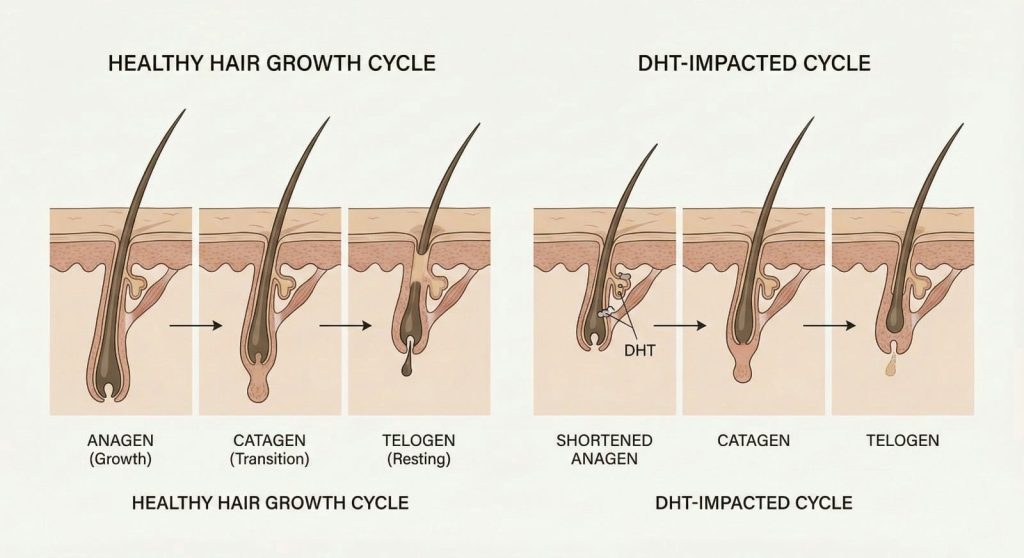
Hair grows in a continuous cycle consisting of three distinct phases:
| Phase | Duration | Description |
|---|---|---|
| Anagen | 2–6 years | Active growth phase |
| Catagen | 2–3 weeks | Transitional phase |
| Telogen | 2–3 months | Resting and shedding phase |
DHT interferes primarily with the anagen phase, causing hair follicles to exit growth prematurely. Over repeated cycles, follicles become smaller and less productive, eventually producing only fine, barely visible hairs—or stopping growth altogether.
At the cellular level, DHT alters signaling within the dermal papilla, reducing blood flow, oxygen delivery, and nutrient uptake. This cumulative damage results in progressive thinning and visible scalp exposure.
Early Signs of DHT-Related Hair Loss
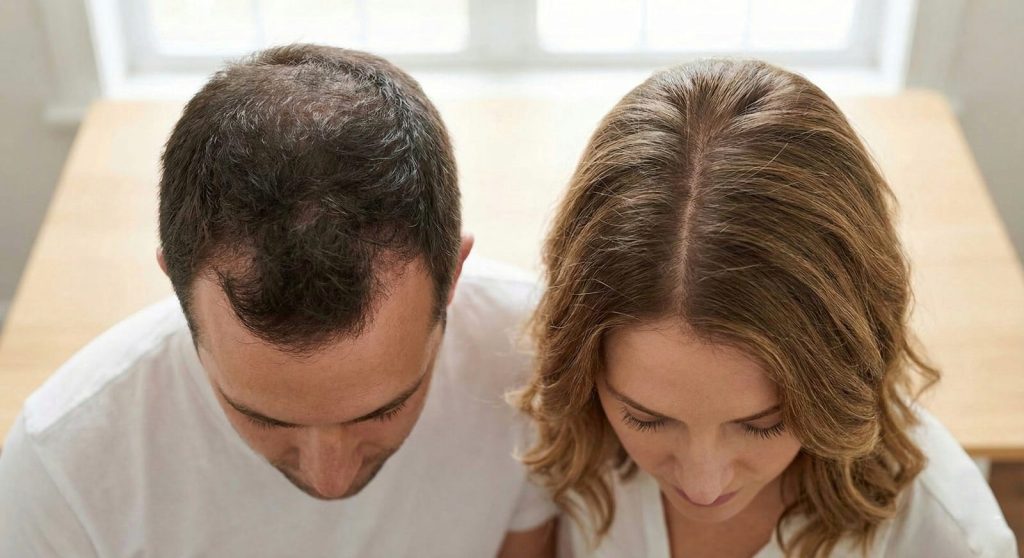
Early detection is critical for preventing irreversible follicle damage. Common signs of DHT-related hair loss include:
- Gradual thinning at the crown
- Receding hairline (especially in men)
- Widening hair part (common in women)
- Increased hair shedding during washing or brushing
- Noticeably finer, weaker hair strands
These symptoms often develop slowly, making them easy to overlook. Addressing them early significantly improves the success of natural hair loss interventions.
Natural Ways to Block DHT (Dietary & Topical Approaches)
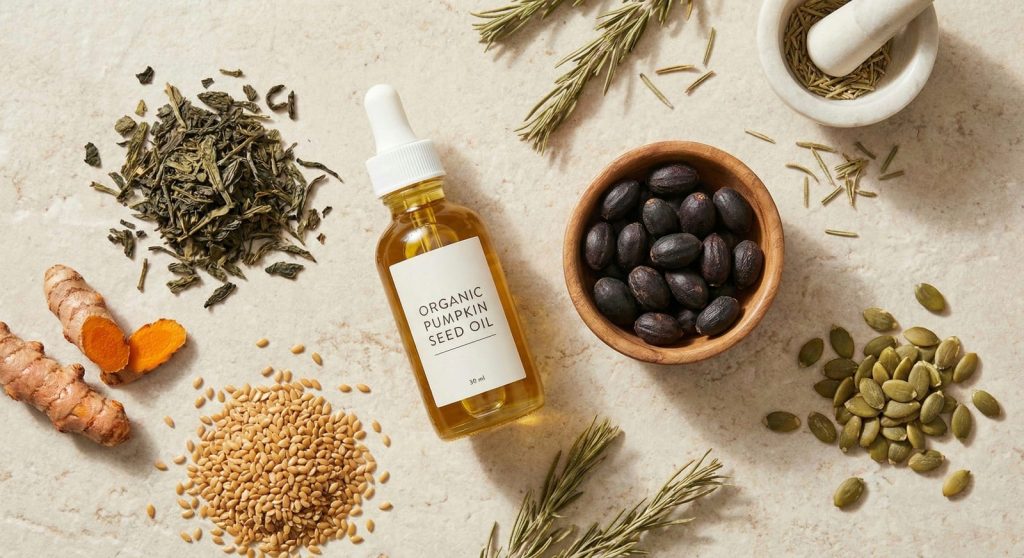
While medications like finasteride and dutasteride can block DHT effectively, they may cause unwanted side effects. Natural DHT blockers offer a gentler, safer, and more holistic approach to hair preservation.
1. Saw Palmetto
Saw palmetto is one of the most researched natural DHT blockers. It works by inhibiting 5-alpha reductase, reducing the conversion of testosterone into DHT.
Several clinical studies suggest saw palmetto may reduce hair shedding and support regrowth, particularly in early-stage androgenetic alopecia. (PubMed)
How to use:
- Oral supplements
- Topical serums and shampoos
2. Pumpkin Seed Oil
Pumpkin seed oil is rich in phytosterols, zinc, and essential fatty acids, all of which support hormonal balance and scalp health. Research indicates daily supplementation may significantly increase hair count over time.
How to use:
- Oral capsules
- Topical application diluted with a carrier oil
3. Green Tea & EGCG
Green tea contains epigallocatechin gallate (EGCG), a powerful antioxidant shown in laboratory studies to inhibit 5-alpha reductase activity. EGCG also protects follicles from oxidative stress and inflammation. (Healthline)
How to use:
- Drink 1–2 cups daily
- Use hair products with green tea extract
4. Turmeric
Curcumin, turmeric’s active compound, has strong anti-inflammatory and antioxidant effects. While it doesn’t directly block DHT, it supports scalp health and reduces inflammation that can worsen hormonal hair thinning.
5. Nutrient-Dense Foods That Support Hair Health
A diet rich in hair-supportive nutrients creates an optimal environment for follicle survival:
- Pumpkin seeds – zinc & phytosterols
- Flaxseeds – omega-3 fatty acids & lignans
- Soy foods – isoflavones
- Nuts & seeds – antioxidants
- Onions – quercetin for scalp protection
These foods don’t eliminate DHT but help counter its damaging effects.
Scalp Care Strategies for DHT Reduction
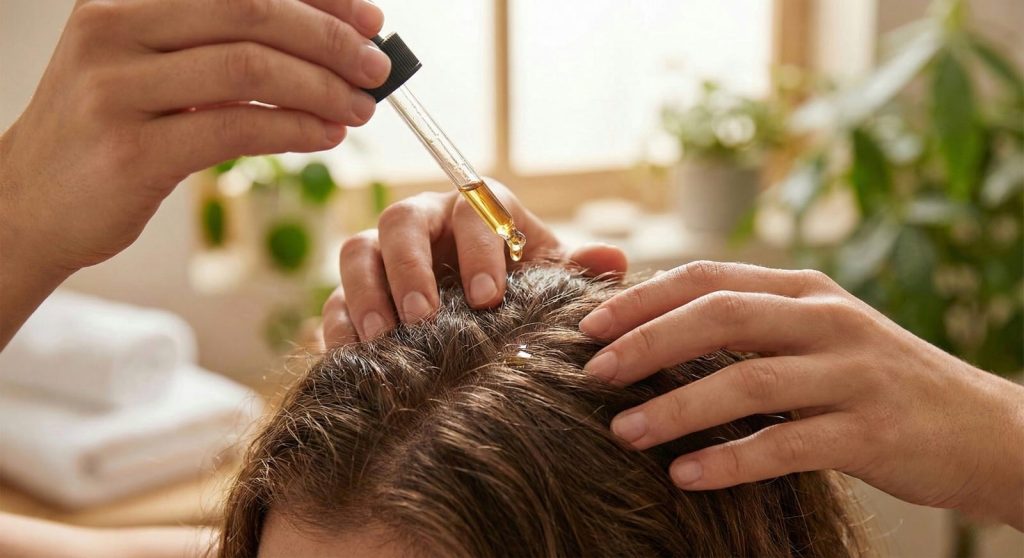
Targeted scalp care improves circulation, nutrient delivery, and follicle resilience.
- Scalp massage: Enhances blood flow and oxygen supply
- Rosemary oil massage: Shown to support circulation and reduce DHT impact
- Apple cider vinegar rinse: Maintains scalp pH and reduces inflammation
Learn more in our detailed guide on Rosemary Oil for Hair Growth.
Lifestyle Habits That Support Hair Growth

Hair health reflects overall health. Long-term results require consistent lifestyle support:
- Stress management: Chronic stress raises cortisol, disrupting hormones
- Quality sleep: Essential for cell regeneration and hormone balance
- Regular exercise: Improves circulation and metabolic health
These habits amplify the effectiveness of natural DHT blockers.
Natural vs Pharmaceutical DHT Blockers
Pharmaceutical options (finasteride, dutasteride):
- Strong DHT suppression
- Potential side effects (libido changes, fatigue, mood issues)
Natural options:
- Slower but safer
- Support overall scalp and hormonal health
- Suitable for long-term prevention
Many people choose natural blockers as a first-line or complementary strategy.
Realistic Expectations & Hair Growth Timeline
Natural DHT blockers require patience and consistency:
- Initial shedding reduction: 6–8 weeks
- Visible improvement: 3–6 months
- Optimal results: 6–12 months
Hair grows slowly, and sustainable results depend on long-term habits.
Frequently Asked Questions (FAQ)
Q1: Can natural DHT blockers regrow hair?
Yes, especially in early stages. They help reduce shedding and strengthen follicles.
Q2: Is blocking DHT safe?
Natural DHT blockers are generally safe and less disruptive to hormonal balance.
Q3: Can women use DHT blockers?
Absolutely. Hormonal hair thinning affects women too, and natural strategies are effective.
Q4: How long before results appear?
Most users see improvements within 3–6 months of consistent use.
Q5: Which DHT blocker is best for beginners?
Pumpkin seed oil, dietary changes, and scalp massage are excellent starting points.
Conclusion
DHT plays a central role in pattern hair loss, but its effects are manageable and often reversible in early stages. By understanding how DHT works and adopting natural blockers, targeted scalp care, and supportive lifestyle habits, you can slow hair thinning and promote healthier regrowth.
Consistency is your greatest asset. Start today with nutrient-rich foods, botanical oils, and daily scalp care—and over time, you may restore thicker, stronger hair naturally.

Tamanna Zaman is an English graduate and self-care researcher at CareByScience, creating research-driven content on skincare, haircare, and wellness. By analyzing clinical studies and verified expert insights, she provides actionable, trustworthy routines that help readers achieve healthier skin, stronger hair, and overall wellbeing.